
Understanding the psychological traps in gambling behavior
The Allure of Gambling
The psychological allure of gambling stems from various factors that play into human behavior. Many individuals are drawn to the excitement and thrill that comes with placing bets and engaging in games of chance. This allure often leads to heightened emotions that create a temporary escape from reality. For many, the potential for winning substantial rewards, whether monetary or otherwise, further intensifies this attraction. The rush of winning can elicit powerful feelings of joy and excitement, reinforcing the desire to gamble more frequently. In this dynamic environment, platforms like WinAirlines Casino offer many opportunities for players to indulge in their passion.
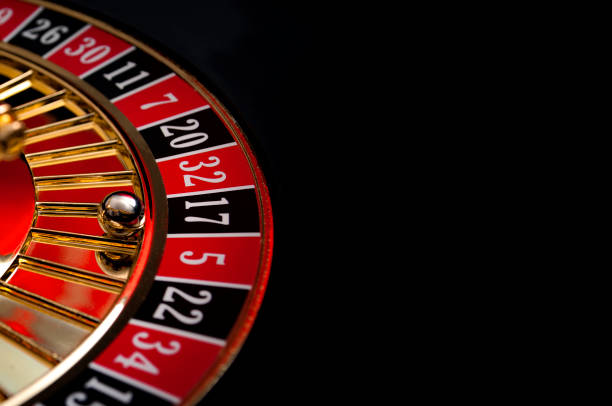
Moreover, gambling environments, both online and in physical casinos, are designed to stimulate the senses. Bright lights, catchy sounds, and a dynamic atmosphere all contribute to creating an immersive experience. Such environments can provoke a sense of euphoria, making it easy to overlook the risks involved. As individuals immerse themselves in this exhilarating environment, they may become susceptible to irrational decision-making, which can lead to engaging in gambling behaviors that are detrimental to their well-being.
In addition to sensory stimulation, the social aspects of gambling also contribute to its allure. Many people enjoy the camaraderie that comes from gambling with friends or strangers. The social dynamics involved in placing bets and sharing in wins and losses can enhance the overall experience, creating bonds and shared memories. However, this social aspect can also mask individual gambling issues, as people may feel pressured to continue gambling for the sake of maintaining relationships or enhancing their social image.
The Illusion of Control
One of the most significant psychological traps in gambling behavior is the illusion of control. Many gamblers believe they can influence the outcome of games, particularly in skill-based games like poker or blackjack. This belief often leads players to adopt strategies that they feel will enhance their chances of winning. However, the reality is that many gambling outcomes are determined by chance, and even the most skilled players face losses. This misconception can encourage players to engage in riskier behaviors, convinced that their decisions will lead to successful outcomes.
This illusion is further compounded by the cognitive bias known as “the gambler’s fallacy.” This fallacy occurs when individuals mistakenly believe that past outcomes influence future results. For instance, a player may think that a slot machine is “due” for a win after a series of losses. Such thinking can lead to prolonged gambling sessions as players chase their losses or believe they are on the verge of a big win. This cycle can create a dangerous loop of behavior that makes it difficult for individuals to walk away from gambling.
Understanding the psychology behind the illusion of control is vital for anyone engaging in gambling. Recognizing that luck plays a significant role can help mitigate the risks associated with excessive gambling. By fostering a mindset grounded in reality, individuals can develop healthier gambling habits and reduce the likelihood of falling into traps that may lead to gambling addiction or financial difficulties.
The Role of Reward Mechanisms
The human brain is hardwired to seek out rewards, and gambling exploits this natural tendency. When individuals gamble, they engage in a behavior that triggers the brain’s reward system, releasing dopamine and creating feelings of pleasure and satisfaction. This immediate gratification can lead to a strong desire to repeat the behavior, reinforcing gambling habits. The thrill of winning, even if it’s a small amount, can create a cycle of reward that keeps individuals coming back for more, despite the potential for significant losses.
Additionally, the concept of variable reinforcement plays a critical role in the psychology of gambling. Unlike fixed rewards, variable reinforcement offers unpredictable outcomes, keeping players on their toes. This unpredictability can heighten excitement and anticipation, as individuals never know when they might hit a big win. This dynamic creates a compelling reason to continue playing, as the hope of winning fuels the desire to gamble more. Over time, players may find it increasingly challenging to resist the lure of betting, despite the financial risks involved.
To combat the effects of these reward mechanisms, individuals must be aware of their emotional responses to gambling. Recognizing the triggers that lead to urges to gamble can help mitigate the compulsion to engage in high-risk behaviors. By understanding that the rewards from gambling are often fleeting and come at a significant cost, players can make more informed decisions and avoid succumbing to the traps set by their own psychology.
The Impact of Emotional States
Emotional states have a profound impact on gambling behavior, influencing the decisions individuals make while gambling. People often gamble to escape negative emotions or cope with stress, anxiety, or depression. This behavior can create a vicious cycle, as gambling might provide temporary relief but can ultimately lead to more significant emotional and financial distress. For instance, someone who is feeling down may turn to gambling as a distraction, only to face financial loss that exacerbates their emotional turmoil.
The excitement and adrenaline rush associated with gambling can also amplify positive emotions, making it an attractive pastime for those seeking thrills. However, the temporary highs can lead to a decline in emotional regulation, resulting in impulsive decisions driven by the need for immediate gratification. A player might gamble more than intended simply to recapture the emotional high experienced during a win, perpetuating a cycle of compulsive gambling behavior.
Developing awareness of one’s emotional state is crucial for responsible gambling. Individuals should assess their motivations for gambling and consider whether it serves as a healthy outlet or a harmful escape. Strategies like setting limits on gambling sessions, taking breaks, and seeking professional help when needed can help maintain a balanced approach to gambling. By being mindful of emotional influences, individuals can foster healthier habits and avoid falling into psychological traps.

WinAirlines Casino: A Balanced Approach to Gaming
WinAirlines Casino is committed to providing a safe and enjoyable gambling experience for players. Understanding the psychological traps involved in gambling behavior, the platform emphasizes responsible gaming practices. With a variety of games available, including over 2,600 options, players can enjoy a diverse gaming experience while being reminded of the importance of setting limits and recognizing the potential risks associated with gambling.
Furthermore, WinAirlines Casino offers resources and tools designed to help players manage their gambling behavior. This includes options for self-exclusion, deposit limits, and access to support networks. By prioritizing player well-being, WinAirlines Casino seeks to create an environment where individuals can enjoy gaming without falling prey to the pitfalls that can lead to harmful behaviors.
Ultimately, the combination of an engaging gaming experience and a focus on responsible gambling practices positions WinAirlines Casino as a player-centered platform. By fostering awareness around the psychological traps in gambling, the site encourages players to approach their gaming journey with a sense of responsibility and mindfulness, making it a premier destination for both enjoyment and safety in online gaming.

Leave A Comment